I am just coming out of the most luxurious four days of rest. They were well deserved after what feels like 2026’s momentum of hit the ground running. I made sure to make no plans and to step back into a quality of ‘simply being’ in and around my home. The great Zen master, Thich Nhat Hanh, calls these days “ Lazy Days”, only they don’t subscribe to the negative connotation of the word lazy. Instead, they are days in which there are no scheduled activities. The day is left to unfold naturally, with a quality of mindfulness or being present for whatever it is that unfolds. For me, this included baking, some gardening, long walks in familiar haunts, meditation, reading, as well as lunch with a friend. Lazy days are not about slipping into a slovenly lump on the couch. They are about slowing things down and resting. According to Thich Nhat Hanh (and others!),being able to rest and to be ‘lazy’ is a key attribute and predictor of happiness and wellbeing. In fact, he would prescribe weekly ‘lazy days’ for the community at Plum Village (his monastery in France).
During my four days, there were many moments in which I could feel the pull of the computer. Or, I could feel the draw to do just a little bit of school work, client notes, teaching plans, insert your list here. I had to deliberately choose to rest back into ‘simply being’ with my day as a “Lazy Day”. It was almost like an internal chain being tugged or a felt sense of shouldn’t I be doing something else? And then I remembered that all I needed to do for these four days was simply be here.
This may sound easy; however, it’s actually quite hard and some might even say radical. Thich Nhat Hanh speaks about this epidemic of restlessness. We are conditioned by our social, educational and professional structures to achieve. Even some of our cultural heroes promote ‘doing’ over ‘being’. The author Stephen King once famously said, “amateurs sit and wait for inspiration, the rest of us just get up and go to work.” Which is interesting, as my lazy days have provided me with plenty of clear seeing and space to become aware of what projects and direction my creative self wants to engage in (watch this space for a shift in these blogs 😉).
Social media and smart phones do not help in what Harvard Health calls “toxic productivity”. Watching what others are doing and subscribing to workplace norms of answering emails when we are off the clock fosters a culture of competition and has the potential to tie our self worth to what we do, rather than who we are. These are some of the leading causes of burnout.
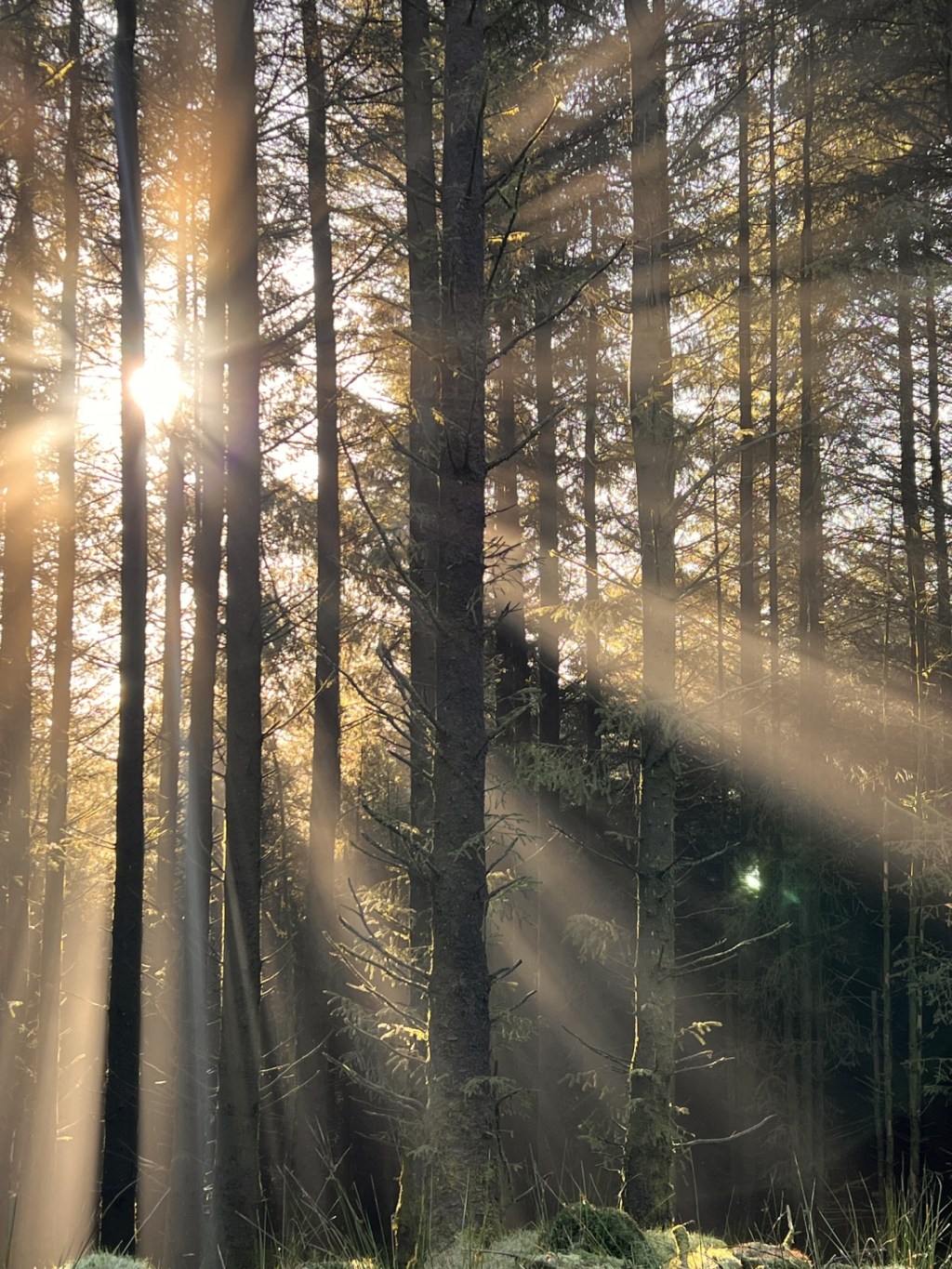
This is why it is imperative that we take the time to rest and to touch in with the richness, poignancy and what some might call simplicity of being able to do things like pause long enough to feel the warmth of a sunbeam, as it streams through the window on a cold Winter’s day. This is what fills the cup. This is where we are able to recoup our energy so that we can carry on the good work of truly inhabiting this one wild and precious life, without missing a thing.
This week, I will be leading a meditation at the Sanctuary’s Tuesday morning online sessions, in which we will work towards noticing the pull into ‘doing’ mode; and instead, we might choose to sit back into ‘being’ mode. I am also leading 7 retreat Sundays in the Sanctuary as part of the Art of Rest. These days are spread out between April and November. If this speaks to you, why not come rest with me?
-Jane
To listen to and practice moving from doing mode into being mode:
 My Silent Place
Leave a comment